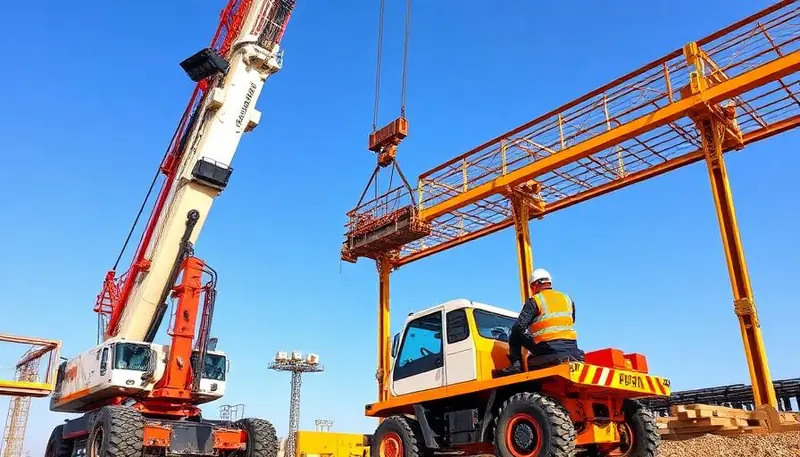
أهم نصائح السلامة للأوناش في مواقع البناء بمصر

Prioritizing Safety in Crane Operations Across Egypt
In the dynamic construction landscape of Egypt, where ambitious projects abound, crane safety tips are not just guidelines – they are paramount for protecting personnel, equipment, and project timelines. At Egypt Cranes, a leader in crane rental Egypt since 1990, safety is ingrained in every heavy lifting service we provide. Our fleet of DEMAG, LIEBHERR, and GROVE cranes, from 30T to 800T, is maintained to the highest standards, ensuring secure operations.
Comprehensive Pre-Lift Planning and Site Assessment
Before any lift, thorough planning is critical. This includes:
Detailed Site Survey
Assess ground conditions, proximity to power lines, existing structures, and potential obstructions. Identify access routes and setup areas suitable for mobile cranes Egypt or crawler cranes.
Lift Plan Development
Create a detailed lift plan outlining load weight, rigging methods, crane configuration, swing radius, communication protocols, and emergency procedures. This plan should be reviewed and approved by all relevant parties.
Maintaining Equipment and Certified Operators
The condition of the crane and the skill of its operator are foundational to safety.
Daily Equipment Inspections
Operators must perform daily pre-shift inspections of all crane components, including ropes, hooks, outriggers, and safety devices. Any defects found must be addressed immediately.
Certified and Experienced Operators
Ensure all operators are fully certified, trained, and have extensive experience with the specific type of crane being used. Egypt Cranes prides itself on having highly skilled operators who understand the nuances of various heavy lifting services.
Effective Communication and Clear exclusion Zones
Communication is key to preventing accidents.
Standardized Signals
Establish clear hand signals or radio communication protocols between the crane operator, signal person, and rigging crew. Ensure everyone understands and uses the agreed-upon signals.
Designated Exclusion Zones
Clearly mark and enforce exclusion zones around the crane's operating area and under the suspended load. Only essential personnel should be permitted within these zones. Use barriers and signage to enhance visibility and safety.
Awareness of Environmental Factors and Overloading
External factors and operational limits must always be respected.
Weather Monitoring
Stay vigilant about weather conditions, especially wind speed, which can significantly affect crane stability and load control. Operations should be suspended or adjusted during adverse weather.
Never Overload the Crane
Adhere strictly to the crane's load chart. Overloading is a major cause of crane accidents. Ensure the load weight is accurately determined before every lift. Our crane rental Egypt services always emphasize operating within safe working limits.
الأسئلة الشائعة
What is the most important crane safety tip?
Complete a thorough pre-lift plan and site assessment before every lift. This includes checking ground conditions, load weight, rigging method, swing radius, and weather.
Why are certified operators crucial for crane safety?
Certified operators are trained to read load charts, execute rigging plans, use standard hand signals, and respond to emergencies. Uncertified operators are a leading cause of crane accidents.
How often should cranes be inspected for safety?
Daily pre-shift inspections by the operator before each use. Additionally, qualified technicians perform periodic maintenance per manufacturer schedules (DEMAG, LIEBHERR, GROVE).
What are exclusion zones in crane operation?
Exclusion zones are marked areas around the crane and beneath the suspended load where only essential personnel may enter. They protect workers from falling objects and equipment movement.
اضمن أعلى معايير السلامة في موقعك — تعاون مع إيجيبت كرينز للرفع الآمن!
اطلب عرض سعر مجاني